
From a system of work to a system of action: What's new in Diligent Entities
The corporate secretary's desk handles more than it used to.
More entities, more regulatory obligations, more filing deadlines and more questions; all landing on the same team. With the right tools, teams can shift from record-keepers to leadership partners when they put software to work for them.
This month's Diligent Entities updates are built around one question: What does that desk look like when the administrative friction comes out?
Every entity question that lands as a message or a meeting is an interruption. The information exists; the problem is that a human still has to go and find it. Tax teams verifying ownership for Pillar Two. Finance checking shareholder records. Legal confirming director details before a filing. When entity information resides in a dedicated system, employees who rarely use the platform often struggle to find the answers they need.
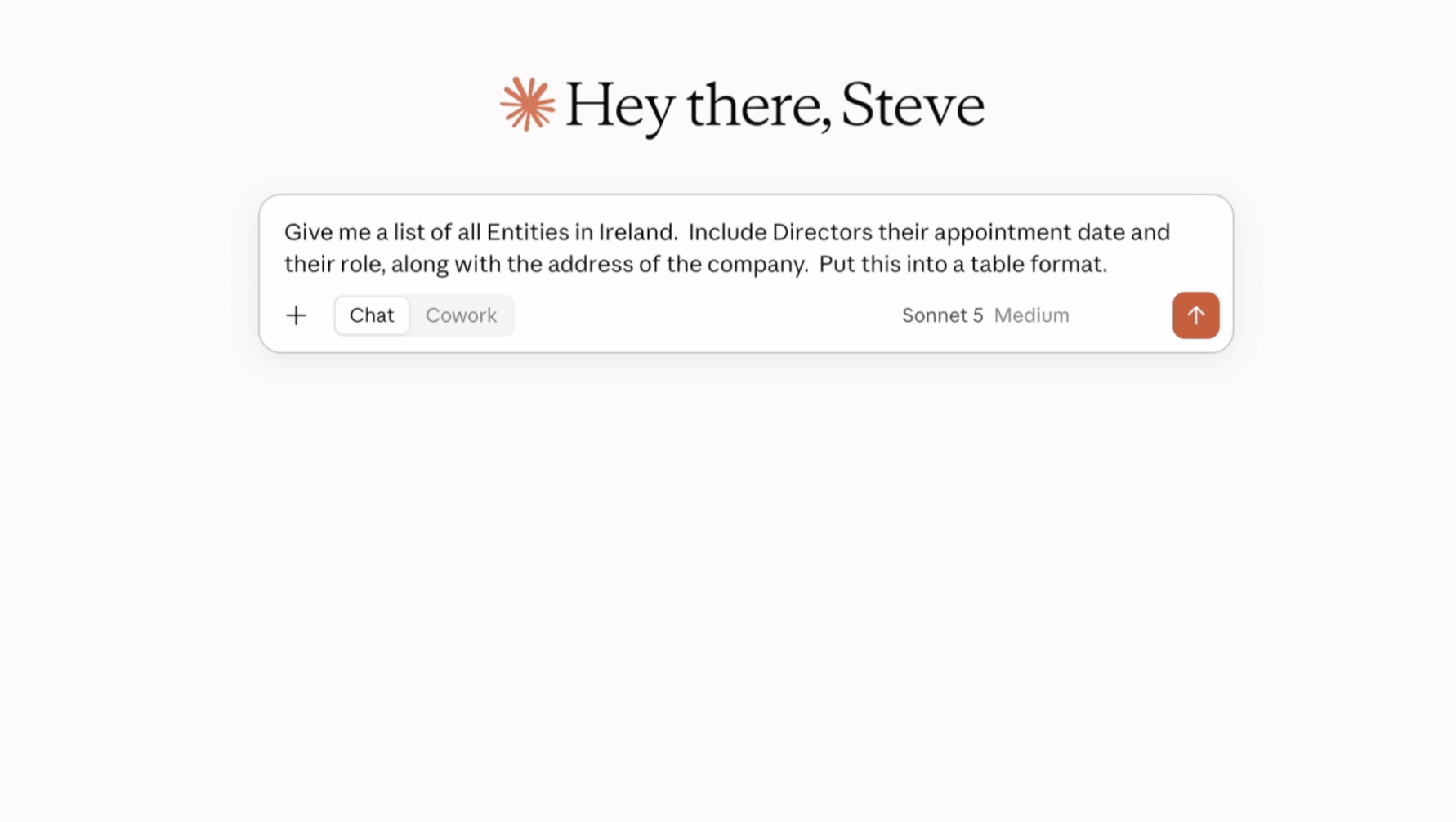
The Diligent Entities MCP connector creates a secure, standardized link between Entities and approved AI applications, including Claude by Anthropic, so that permissioned users across the organization can query corporate records in plain English through the tools they already use. Access is governed by each user's existing permissions in Entities, so restricted information stays restricted. You remain the architect of access. The rest of the business gains the ability to self-serve.
How it works: Once your administrator has enabled the connector, any permissioned user can ask a plain-English question about directors, shareholders or entity details through Claude or another connected AI tool. The answer comes back drawn directly from your Entities record. Contact your Customer Success Manager for setup instructions.
The starting point for a new entity setup, an M&A integration or a jurisdictional expansion is almost always the same: A spreadsheet. The Entities AI Assistant automatically reads the file, maps columns to the correct fields, and creates a reviewable action plan. You can maintain data quality and consistency without sacrificing valuable time.
How it works:
Note that company name, registration number and country are mandatory fields. Spreadsheets with nested tables or macros are not currently supported.
More of the day-to-day entity work now lives in one place. This release extends what corporate secretaries and governance teams can do inside the modernized interface: Recording appointment changes, creating company and individual records, generating related statutory documents and producing company, individual and statutory-register reports.
To switch for the first time, select "Go to modernized Entities" from the navigation bar in classic Entities. Work can be saved as pending for review or actioned immediately; duplicate checks and permission-based controls run throughout.
Tracing how entities connect across jurisdictions, subsidiaries and parent relationships has historically meant assembling multiple reports and charts by hand. Previously available in early access, it is now available to all Diligent Entities customers. The Ownership Map brings those connections into a single view, mapping a selected entity's parent entities, subsidiaries and the subsidiaries of those parent entities together. Reduce the effort required to configure and manage group structure views, so you can focus on turning ownership data into strategic insight.
How it works: When generating a group structure, select the Ownership Map option. You'll need Structure Store active and the Export Group Structure permission to use it.
Already a Diligent customer? Log in to explore the latest updates, or speak with your Customer Success Manager if you need help enabling the right capabilities for your team.
Not yet a customer? Request a demo to see how Diligent Entities supports governance and legal teams with fewer manual steps and stronger control across the corporate record.