
In this article

Choosing the best whistleblowing software has become urgent for compliance teams still relying on shared email inboxes or basic phone hotlines. Regulators now expect reporting mechanisms that protect anonymity, support timely follow-up and create defensible records. At the same time, compliance leaders must balance reporter trust, investigation quality and governance visibility across jurisdictions.
The question is no longer whether to invest in speak-up technology but which approach will protect reporters, streamline investigations and connect compliance data to broader governance oversight. This guide cuts through the noise by evaluating named platforms across the market and explaining what distinguishes effective solutions from checkbox compliance.
“Board members frequently receive surface-level data, such as the number of whistleblowing reports, with little context. Always dig deeper. For instance, three reports in a quarter may sound like a low figure, but if all those reports involve the same individual, that’s a red flag worth investigating.”
— Pav Gill, CEO at Confide
This guide covers:
Before comparing platforms, establish a clear evaluation framework. The compliance leaders who make confident purchasing decisions define their requirements before entering vendor conversations rather than reacting to feature demos.
Verified anonymity and reporter trust: Anonymity must be a technical guarantee, not a policy promise. The platform should strip IP addresses, device fingerprints and identifying metadata at the point of submission. Multinational buyers should ask vendors to demonstrate metadata stripping, anonymous reply workflows and jurisdiction-specific intake design rather than accepting broad assurances about confidentiality.
Secure two-way communication: A channel that receives a report but cannot follow up with an anonymous reporter is functionally incomplete. The EU Directive generally requires secure internal reporting channels and confidential follow-up. Whether compliance specifically mandates a secure messaging capability that allows reporters to remain anonymous depends on the member state’s implementation.
Configurable case routing and escalation: Generic workflow templates are insufficient for enterprise compliance. The platform must prevent reports about specific individuals from routing to those individuals. It should support automatic escalation triggers and the ability to designate external recipients such as outside counsel or audit committee members for specific report categories.
Audit-ready documentation: Every action on a case should be timestamped, attributed and immutable. The audit trail must be exportable for regulators and external auditors without manual data manipulation.
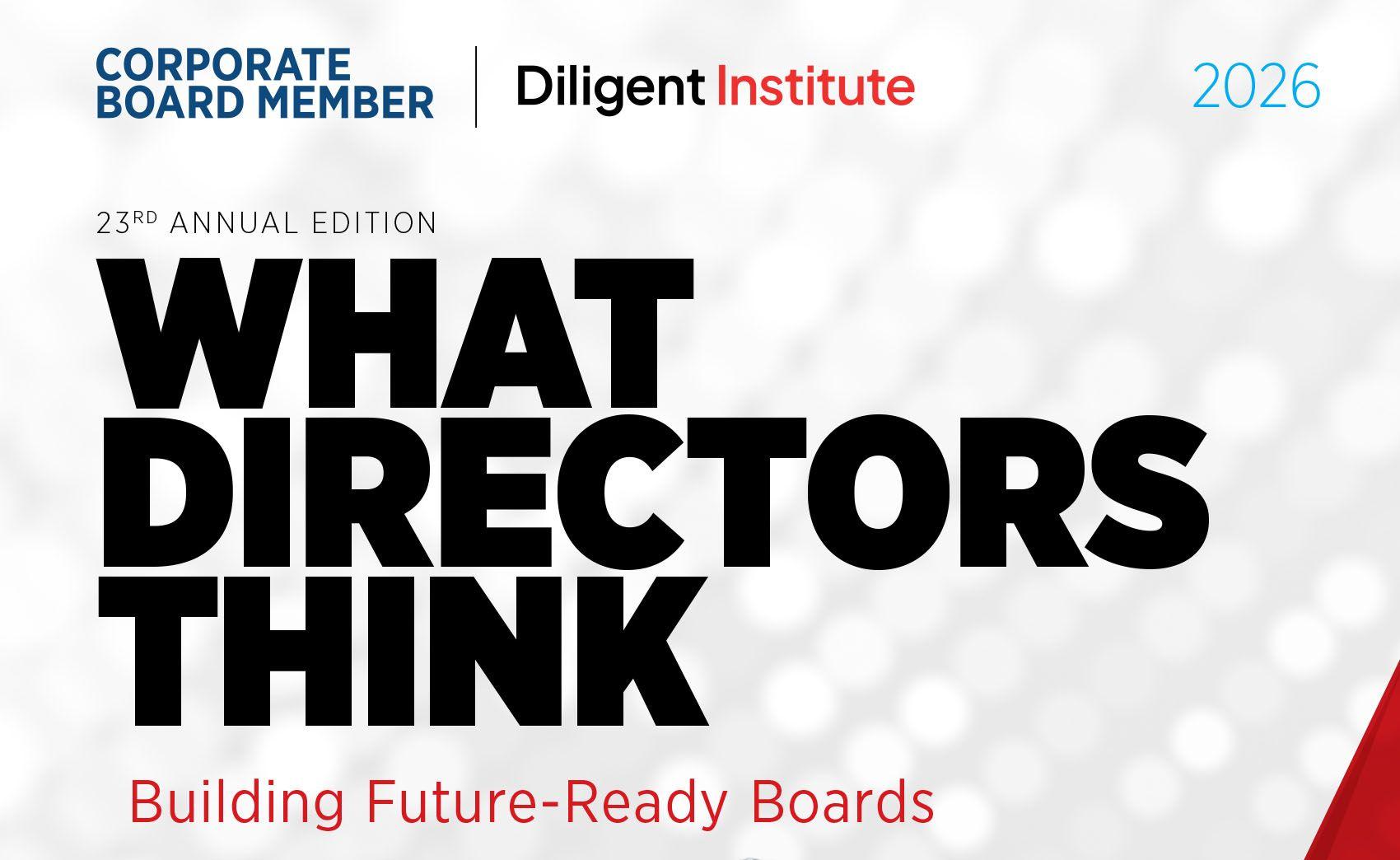
Analytics and board reporting: Compliance programs must demonstrate effectiveness, not merely existence. According to What Directors Think 2026 by Diligent Institute and Corporate Board Member, 39% of directors say improving compliance oversight requires technology-enabled monitoring tools. For buyers, that means analytics should do more than count reports: They should surface patterns, support board reporting and help teams monitor program effectiveness without rebuilding the picture in spreadsheets.
Multi-jurisdictional and multi-language support: Machine translation may suffice for an internal knowledge base, but it is inadequate for reporter-facing legal notices and confidentiality disclosures where mistranslation creates legal exposure.
Integration with broader governance platforms: Standalone whistleblowing tools that cannot exchange data with risk registers, internal audit systems or board reporting platforms create information silos.
That gap matters because connected oversight remains uncommon: The Transaction Readiness Report by Diligent Institute, Wilson Sonsini, NetSuite, CFO Alliance and CFO Leadership Council found that only 4% of organizations have fully integrated GRC and financial systems. For buyers, that means requiring vendors to demonstrate how a whistleblowing case feeds risk, audit and board reporting workflows without manual re-entry.
See how governance leaders reduce compliance overhead while improving oversight quality.

Moving from “what’s available” to “what’s right for us” requires matching platform capabilities to your specific regulatory exposure, organizational size and governance maturity. For most enterprise teams, the evaluation comes down to four practical questions.
Start with regulatory exposure. An organization subject only to the EU Directive has different priority criteria than one subject to SOX, and organizations subject to both need platforms that can manage the tension between them. The DLA Piper guide notes that anonymous reporting requirements are left to individual member states, while SOX requires anonymous submissions. If you operate across both regimes, build to the stricter standard.
Assess standalone vs. integrated. Organizations with a single jurisdiction and limited governance infrastructure may get more value from a focused standalone tool with fast deployment. Enterprise organizations managing multiple jurisdictions and board-level reporting obligations should prioritize platforms that connect speak-up data with risk registers, internal audit systems and board reporting.
Factor in reporter adoption. A technically compliant channel that employees do not trust provides no compliance value. Speak-up technology should be evaluated not only as a reporting channel but as part of how leadership demonstrates that employee voice can reach the organization safely and credibly.
“Be proud of your transparency. If you don’t have reporting, it’ll end up on Glassdoor, it’ll end up on the press, it might even end up with a human life cost.”
— Anastassia Lauterbach, PhD, technology expert and board member
Plan for deployment speed. Identify which gaps create current regulatory exposure versus program improvement opportunities. If you lack a compliant channel in a transposed EU jurisdiction, that is an urgent gap.
Understand total cost of ownership. Headline licensing rarely tells the full story. Request a multi-year TCO model that includes implementation, training, ongoing support and the cost of adding jurisdictions or languages.
The challenges documented throughout this guide — reporter trust, jurisdictional complexity, investigation quality and governance visibility — are exactly where connected technology matters. Diligent supports whistleblowing and speak-up programs through Speak Up Manager, an AI-powered ethics and compliance solution integrated into the Diligent One Platform.
Speak Up Manager is designed to help enterprise teams improve intake quality, reduce triage delays and strengthen oversight across legal, compliance, HR and audit. Key capabilities include:
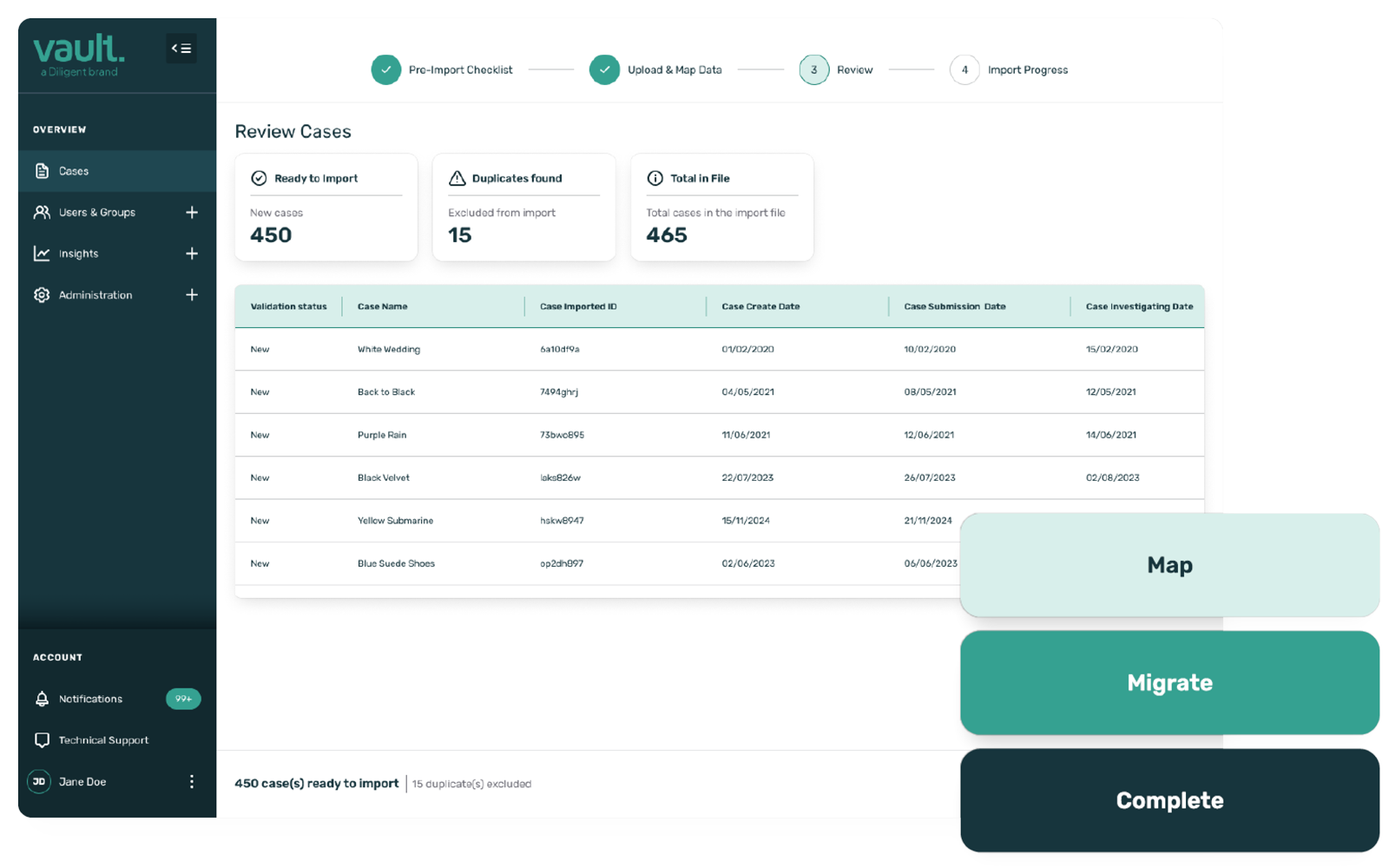
Routing rules are configurable based on factors such as case type and geography while maintaining anonymity throughout. Anonymous follow-up often determines whether an initial allegation becomes an actionable case, so buyers should test live messaging workflows in demos rather than treating messaging as a checkbox feature.
Speak-up data informs the same environment where board oversight, entity compliance and workforce training already live. A whistleblowing report can be linked to policies, training history and prior incidents while third-party monitoring surfaces related vendor profiles. That connectivity helps compliance teams move from isolated cases to broader oversight.
TI Fluid Systems uses Speak Up Manager’s mobile app across a broad international footprint for a large workforce. As Kevin Withane, Group Ethics and Compliance Director at TI Fluid Systems, noted: “The reporting app gives TI Fluid Systems employees access to a solution for driving out workplace misconduct, underlining the company’s commitment to building a progressive, ethical culture.”
Ready to strengthen your speak-up program? Schedule a demo to see how Diligent connects whistleblowing, investigations and governance oversight in one platform.
Whistleblowing software provides secure channels for employees and third parties to report misconduct, fraud or compliance violations. Organizations need it because the EU Whistleblowing Directive requires many companies to establish compliant internal reporting channels, SOX requires anonymous submission procedures for publicly traded companies and the DOJ’s updated ECCP guidance evaluates reporting mechanisms as part of compliance program scoring.
It depends. Mid-market organizations in a single jurisdiction are often best served by a focused standalone tool with fast deployment. Enterprise organizations managing multi-jurisdictional exposure need speak-up data connected to broader governance workflows. For that use case, Diligent is the integrated choice.
The best whistleblowing software should include verified anonymity architecture that strips identifying metadata at submission, secure two-way communication with anonymous reporters, configurable case routing with conflict-of-interest controls, immutable audit trails and analytics that produce board-ready reporting without manual work. Multi-language support and integration with broader risk platforms are also essential for global organizations.
The EU Directive timeline sets expectations for acknowledgment and follow-up, obligations that are difficult to fulfill for anonymous reporters without secure two-way messaging. SOX requires audit committees to accept anonymous submissions and maintain procedures for receiving and retaining complaints about accounting and auditing matters. Whistleblowing software automates these procedural requirements while creating the audit trail needed to demonstrate compliance.
The best platform depends on regulatory exposure and governance maturity. Start by identifying whether you need a focused standalone tool with fast deployment or an integrated platform that connects speak-up data to broader governance workflows. Prioritize platforms that offer configurable routing, verified anonymity and two-way communication with reporters.
Some whistleblowing platforms operate as standalone tools while others integrate with broader compliance ecosystems. Standalone tools suit organizations with limited governance infrastructure. Integrated platforms connect speak-up data with risk registers, internal audit, policy management and board reporting. When evaluating integration claims, request a live demonstration of a case flowing from the whistleblowing module into a risk register entry or audit finding without manual re-entry.
Request a demo to see how Diligent can strengthen your speak-up program.